Why Are My Nails Thin and Bendy? Causes of Soft Nails and Daily Fixes
| The main answer | Why are my nails thin and bendy? Soft nails are usually too flexible — from too much moisture, harsh products or over-buffing that thins the plate. |
| Soft vs brittle | Brittle nails are too dry and snap; soft nails are too pliable and bend or tear. The fixes differ. |
| What helps | Limit long soaks, wear gloves for wet work, ease off removers and buffing, eat well, condition daily — and give new growth time. |
There is a particular frustration to nails that never seem to firm up — they bend at the tip, feel weak, tear instead of breaking cleanly, and refuse to grow past the end of your finger. If that sounds familiar, you have probably typed why are my nails thin and bendy into a search bar more than once. The key insight most people miss is that soft, flexible nails are a different problem from hard, brittle ones, and treating them the same way can actually make things worse.
This guide explains what makes a nail soft rather than strong, why too much moisture is often the surprising culprit, how soft nails differ from brittle nails, the everyday habits behind the problem, and the daily routine that helps thin, bendy nails firm up over time.
What makes a nail firm — or soft
A healthy nail is a layered sheet of keratin with just the right balance of moisture and structure: firm enough to hold its shape, flexible enough not to shatter. Thickness comes from the matrix laying down enough layers, and firmness comes from those layers being intact and correctly hydrated — not waterlogged. When a nail becomes thin and bendy, one of two things has usually happened: the plate has been physically thinned (by buffing, filing or harsh products), or it has absorbed so much water that it has swollen and gone soft. Often it is a mix of both. Understanding that soft nails are about structure and water balance, not simply a lack of “strength,” is what points you to the right fixes.
Soft nails vs brittle nails: why the difference matters
It is easy to lump all weak nails together, but soft and brittle nails sit at opposite ends of the same scale. Brittle nails are too dry: they are hard, they split into layers, they peel and they snap. Soft nails are too flexible: they bend under light pressure, feel thin and rubbery, and tear rather than breaking cleanly. The reason this matters is practical — brittle nails generally need more moisture locked in, whereas soft nails often need less water exposure and gentler handling. If you pour on soak after soak thinking you are helping, you may be softening an already over-hydrated nail. If your nails are dry and snapping rather than bending, our companion guide on what causes brittle nails that split and peel is the better fit.
The surprising role of too much moisture
Nails are porous and readily absorb water. A long soak, a hot bath, a swim, or simply hands that are wet many times a day causes the plate to swell and soften. Usually it firms back up as it dries, but if the hands are frequently wet the nail rarely gets the chance, and it stays in a soft, bendy state. This is why people who do a lot of housework, wet-handed jobs or frequent hand washing so often report weak, flexible nails. Drying the hands thoroughly and keeping them out of prolonged water does more for these nails than any hardening product.
The everyday causes of thin, bendy nails
- ✓ Too much water. Long soaks and frequently wet hands make the plate swell and soften.
- ✓ Harsh removers and products. Acetone and strong solvents strip and weaken the nail with repeated use.
- ✓ Over-buffing and filing. Buffing to a shine thins the plate; a thinner nail is a bendier nail.
- ✓ Gel and acrylic damage. Aggressive prep and peeling removal leave nails thin — see are gel manicures bad for your nails.
- ✓ Diet gaps. Low protein or iron can occasionally leave nails weaker and slower to firm up.
- ✓ Age and general health. Nails naturally change over time, and some health factors affect their texture.
Condition thin, bendy nails daily
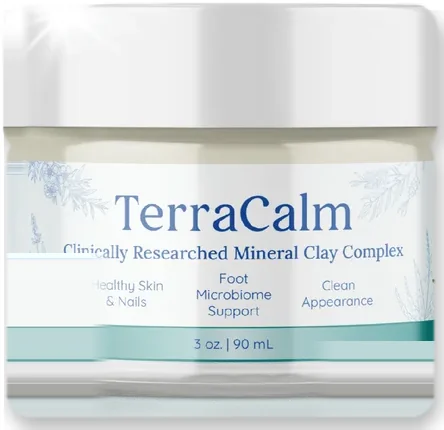
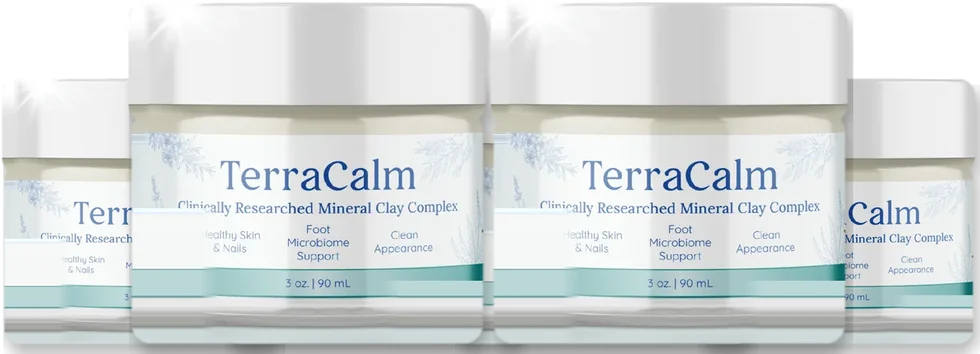
You cannot chemically harden a nail with a conditioner, but keeping the nail and cuticle well cared for helps the surface look its healthiest as firmer growth comes through. TerraCalm is a once-daily topical mineral clay complex with vitamin E, rosemary, aloe, shea butter and jojoba to help keep the nail and surrounding skin soft, supple and cared for. Backed by a 60-day guarantee.
Daily habits that help soft nails firm up
Firmer nails come from protecting the plate and letting healthier growth reach the tip. Give these a few weeks:
- ✓ Cut back on soaking. Keep baths and washing-up shorter, and dry your hands and nails thoroughly afterwards.
- ✓ Wear gloves for wet work. The simplest way to keep nails out of prolonged water and cleaning chemicals.
- ✓ Ease off removers and buffing. Use gentler, acetone-free removers sparingly and stop buffing the surface.
- ✓ Keep them shorter for now. Shorter nails have less leverage to bend and tear while they recover.
- ✓ Eat for keratin. A balanced diet with protein and iron supports firmer growth — see the best foods for strong, healthy nails.
- ✓ Condition and be patient. Care for the nail and cuticle daily, and let new, healthier nail grow out.
Where conditioning care fits
Soft nails are largely a matter of protecting the plate and rebalancing moisture, and the surrounding skin and cuticle play a supporting role. Conditioning oils and butters such as vitamin E, aloe, shea, jojoba and sweet almond keep the cuticle and nail fold supple, while antioxidant botanicals like rosemary are traditionally used to support resilient-looking skin, and mineral clays like bentonite and kaolin help support a clean, balanced surface. A once-daily formula such as TerraCalm makes that care routine simple. It will not turn a soft nail hard overnight — no topical does — but it helps the nail look smooth and cared for as firmer growth arrives. For the full everyday routine, read this next to how to keep your nails healthy and strong.
When soft nails deserve a doctor’s eye
Most soft, bendy nails improve with gentler habits and time, but see a doctor or dermatologist if the softening is sudden and affects many nails, if nails also change colour, thicken, lift from the bed or become spoon-shaped, or if it comes with other symptoms such as fatigue. Persistent, unexplained changes in nail texture can occasionally reflect a nutritional or general-health matter worth checking — for example, spoon-shaped, soft nails are sometimes linked with low iron. People with diabetes, thyroid conditions or circulation concerns should have ongoing nail changes assessed rather than assuming they are purely cosmetic.
Start Your Daily Nail-Conditioning Ritual
What the research says about soft, bendy nails
Softness and brittleness are opposite failures of the same variable. Spectroscopic work in Biochimica et Biophysica Acta mapped how the water content of the nail plate sets its mechanical behaviour: dry plates fracture, over-hydrated plates bend Wessel et al., 1999. A nail that peels back rather than snapping is usually one that spends too long wet, not one that is short of a nutrient.
A review of brittle nails in Dermatology and Therapy comes to the same practical conclusion from the other direction, placing protection from repeated wetting ahead of supplementation in the order of things to try Chessa et al., 2020. Where supplements have been tested, the results are modest: a randomised trial in Archives of Dermatological Research found oral choline-stabilised orthosilicic acid improved nail and hair condition in women with photodamaged skin over twenty weeks — a real but slow effect, on a specific compound, in a specific group Barel et al., 2005.
Frequently asked questions
Why are my nails so thin and bendy?
Soft, bendy nails are usually too flexible because they have taken on too much moisture or lost their structure. Long soaks, frequent hand washing, harsh soaps and removers, over-buffing and heavy use of nail products can all soften the plate. Less often, diet or a general-health factor plays a part. Unlike brittle nails, which are too dry and snap, soft nails are overly pliable and bend or tear.
What is the difference between soft nails and brittle nails?
Brittle nails are too dry — they are hard, split, peel and snap. Soft nails are the opposite — they are too flexible, bend easily, feel weak and tear rather than break cleanly. The distinction matters because brittle nails usually need more moisture, while soft nails often need less water exposure and gentler treatment.
Can too much water make nails soft?
Yes. Nails are porous and absorb water, and prolonged or frequent soaking makes them swell and soften temporarily. People whose hands are often wet — through housework, swimming or frequent washing — commonly find their nails more bendy. Drying the hands well and wearing gloves for wet work helps.
How can I make soft nails stronger?
Limit long soaks and wear gloves for wet work, cut back on harsh removers and over-buffing, keep nails on the shorter side while they recover, eat a balanced diet with enough protein and iron, and condition the nail and cuticle daily. Firmer nails come with time as healthier growth reaches the tip.
Do nail hardeners fix bendy nails?
Some hardeners can temporarily stiffen the nail, but strong formaldehyde-based ones used too often can make nails brittle and prone to splitting instead, swapping one problem for another. Addressing the cause — too much water, harsh products, over-buffing — and conditioning consistently is a gentler long-term approach.
Does TerraCalm harden soft nails?
No. TerraCalm is a cosmetic topical mineral clay complex for everyday skin and nail care. It does not chemically harden the nail, but conditioning the nail and cuticle supports a healthy-looking surface as new growth comes in, and it is not intended to diagnose, treat, cure or prevent any disease.
References
- Chessa MA, et al. “Pathogenesis, Clinical Signs and Treatment Recommendations in Brittle Nails: A Review” Dermatology and Therapy (Heidelberg), 2020. PMID 31749091
- Wessel S, et al. “Hydration of human nails investigated by NIR-FT-Raman spectroscopy” Biochimica et Biophysica Acta, 1999. PMID 10446373
- Barel A, et al. “Effect of oral intake of choline-stabilized orthosilicic acid on skin, nails and hair in women with photodamaged skin” Archives of Dermatological Research, 2005. PMID 16205932
- American Academy of Dermatology. “12 nail changes a dermatologist should examine.” aad.org
- Mayo Clinic. “Nails: Do’s and don’ts for healthy nails.” mayoclinic.org
- Harvard Health Publishing. “What your nails say about your health.” health.harvard.edu
- MedlinePlus (U.S. National Library of Medicine). “Nail abnormalities.” medlineplus.gov
The TerraCalm Research Team is an independent group that writes plain-language, evidence-aware guides on everyday foot, skin and nail care. We read primary dermatology and public-health sources, describe ingredients in terms of their traditional and general use, and are careful to separate cosmetic care from medical treatment. Our articles are reviewed for accuracy before publishing and are intended for general education — not as a diagnosis or a substitute for your own clinician’s advice.
† These statements have not been evaluated by the Food and Drug Administration. This product is not intended to diagnose, treat, cure or prevent any disease. This article is for general information only and is not medical advice; consult a qualified professional about your individual situation.