Are Gel Manicures Bad for Your Nails? What Really Happens
| The honest answer | Are gel manicures bad for your nails? Not inherently — the coating is fine when applied and removed properly. The damage comes from how gels are taken off. |
| The real culprit | Peeling or scraping gel off pulls up layers of natural nail; over-filing and long acetone soaks dry and thin it too. |
| How to enjoy them safely | Never peel, ask for minimal filing, take recovery breaks, protect hands from UV, and condition nails and cuticles daily. |
Gel and acrylic manicures look flawless for weeks, which is exactly why they are so popular — and why so many people end up asking are gel manicures bad for your nails after peeling one off and finding the nail underneath thin, dull and weak. It is one of the most common nail worries out there, and the answer is more nuanced than a simple yes or no. The coating you wear is not the main problem. What happens at the salon chair, and especially what happens when the gel comes off, is where nails really take the hit.
This guide gives you a balanced, no-scaremongering look at what gel and acrylic manicures actually do to your nails, why the removal is the true culprit, what to make of the UV lamp question, and the everyday habits that let you enjoy a beautiful manicure without leaving your natural nails wrecked between sets.
What a gel manicure actually does to the nail
A gel manicure bonds a layer of resin to your nail and hardens it under a UV or LED lamp, giving a hard, glossy finish that resists chips far better than regular polish. For that bond to hold, the technician usually roughens the surface of the nail first with a buffer. On its own, worn for two or three weeks, the gel does not harm the nail plate underneath — it simply sits on top. If the story ended there, the honest answer to whether gels are bad would be a fairly relaxed “not really.” The trouble is that the story does not end there, because every gel has to come off.
Why removal is the real culprit
The single biggest source of gel-related damage is removal, and above all the temptation to peel. When a gel edge lifts and you pick or peel it off, it does not come away cleanly — it takes the top layers of your natural nail with it. That is why a just-peeled nail looks white, rough and noticeably thinner. Even correct removal has its costs: gels are dissolved by soaking the nails in acetone, which is very drying to both the nail plate and the surrounding skin, and impatient scraping of softened gel gouges the surface further. Combine peeling, heavy pre-buffing and repeated acetone soaks set after set, with no recovery time in between, and you get the classic picture of thin, bendy, brittle nails that people blame on the gel itself.

What about the UV lamp?
The lamps used to cure gels emit UV, and that understandably raises questions about skin exposure on the hands. Exposure from a single manicure is small, but because it is repeated and directed at the backs of the hands, a simple, sensible precaution is to apply a broad-spectrum sunscreen to your hands before curing, or to wear fingerless UV-protective gloves. This is an easy habit that costs nothing in manicure quality and takes the question off the table.
The everyday habits that turn gels into damage
- ✓ Peeling gel off. By far the worst thing you can do — it strips layers of natural nail every time.
- ✓ Heavy pre-buffing. Aggressive roughing of the surface before application thins the plate before the gel even goes on.
- ✓ Back-to-back sets. No breaks means nails never get a chance to rehydrate and recover.
- ✓ Long or frequent acetone soaks. Necessary for removal, but drying — and worse if repeated without conditioning.
- ✓ Skipping aftercare. Going straight back to normal life without moisturising leaves nails parched and fragile.
Condition your nails between manicures
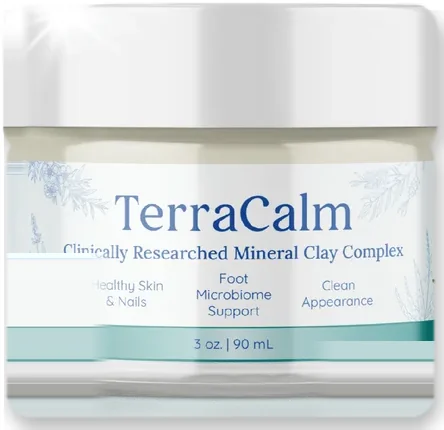
The nail cannot rebuild what has been filed or peeled away, but keeping it and the cuticle well conditioned helps the surface look its best as fresh nail grows in. TerraCalm is a once-daily topical mineral clay complex with vitamin E, aloe, shea butter and jojoba to help keep the nail and surrounding skin soft and supple between sets. Backed by a 60-day guarantee.
How to enjoy gel manicures without wrecking your nails
You do not have to give up gels to keep healthy nails. You just have to change how they go on and come off:
- ✓ Never, ever peel. If a gel starts lifting, resist — have it soaked off properly or do it patiently yourself.
- ✓ Ask for minimal filing. A good technician can prep with a light touch; say you want to protect the natural nail.
- ✓ Soak, don’t scrape. Let the acetone do the work and wipe softened gel away gently rather than gouging it off.
- ✓ Take recovery breaks. Give nails a week or two off every few sets to rehydrate.
- ✓ Protect from UV. Sunscreen or UV gloves on the hands before curing.
- ✓ Condition daily. Oil, balm or clay into the nail and cuticle, especially right after removal.
Where conditioning care fits
Because the after-effects of gels are mostly dryness and thinning, the recovery that matters happens at home between appointments. Oils and butters such as vitamin E, aloe, shea, jojoba and sweet almond soften a nail left parched by acetone and soothe the cuticle, while mineral clays like bentonite and kaolin are traditionally used to support a clean, balanced surface. A once-daily formula such as TerraCalm makes that recovery routine effortless. It cannot rebuild filed-away nail, but it helps the surface look smooth and healthy as new growth comes through. If your post-gel nails are thin and flexible or splitting, read this next to why are my nails thin and bendy and what causes brittle nails that split and peel.
When to see a professional
Everyday thinning recovers with time and care, but see a doctor or dermatologist if the nail lifts away from its bed, if you notice persistent pain, redness or swelling around a nail after a manicure, or if the skin reacts to the products with itching, redness or blistering, which can signal an allergy to the gel. Green or discoloured patches under a lifted gel can indicate an infection. People with diabetes or circulation concerns should be especially careful with salon treatments and any resulting nail changes.
Start Your Daily Nail-Conditioning Ritual
What the research actually says about gel and acrylic nails
The published evidence on gel manicures splits into two very different worries, and only one of them is well documented. On the lamp itself, a 2025 scoping review in the International Journal of Dermatology gathered what is known about UV and LED nail-lamp exposure during manicures and pedicures and concluded that the measured risk is low but the data thin — which is why sunscreen or fingerless gloves on the hands is a sensible precaution rather than a panic response Beylin et al., 2025.
The better-evidenced problem is chemical. A retrospective eight-year study in Contact Dermatitis traced a persistent stream of contact allergy to the acrylates in gel and acrylic nail products, affecting salon clients and technicians alike, and noted that once someone is sensitised the reaction tends to recur with every reapplication Steunebrink et al., 2024. And a dermatological review of nail cosmetics sets out the mechanical side of the story: it is the repeated filing, soaking and prising of removal, far more than the polish sitting on the nail, that thins the plate and leaves it rough Dinani & George, 2019.
One more thing worth knowing if you have just come out of a course of gels: pale flecks appearing in the plate a few weeks later are almost never the polish itself. They are usually a delayed record of pressure at the nail base during the manicure, which is why white spots on nails turn up long after the appointment rather than during it.
Frequently asked questions
Are gel manicures bad for your nails?
The gel coating itself is not especially harmful when applied and removed correctly. Most of the damage people blame on gels actually comes from the removal — soaking in acetone and, worse, peeling or scraping the gel off, which lifts away layers of the natural nail and leaves it thin, dry and weak. Done carefully and with recovery breaks, gel manicures are not a disaster for nails, but frequent aggressive removal is.
What is the most damaging part of a gel manicure?
The removal, not the wear. Peeling or picking a gel off pulls up the top layers of the nail plate, and heavy filing or buffing before application thins it too. The acetone soak also dries the nail and the skin around it. The polish sitting on top for two or three weeks is the least of the problem.
How can I protect my nails if I love gel manicures?
Never peel a gel off — have it soaked off properly or do it patiently yourself. Ask for minimal filing, take occasional breaks between sets, apply sunscreen to your hands before UV curing, and keep the nails and cuticles well moisturised every day. These habits let you enjoy gels while limiting the wear.
How long should I wait between gel manicures?
There is no fixed rule, but giving nails a break of a week or two every few sets lets them rehydrate and recover. If your nails are already thin, peeling or sore, a longer break with daily conditioning is sensible before the next application.
Are acrylics worse than gels?
Both involve roughing up the natural nail and a removal process, so the same principle applies: the wear is manageable, the aggressive removal is what does the harm. Acrylics are typically filed more heavily and often need a longer acetone soak, so careful removal and recovery breaks matter just as much, if not more.
Does TerraCalm repair gel manicure damage?
No. TerraCalm is a cosmetic topical mineral clay complex for everyday skin and nail care. It cannot rebuild nail that has already been thinned, but conditioning the nail and cuticle supports a healthy-looking surface as new nail grows in, and it is not intended to diagnose, treat, cure or prevent any disease.
References
- Beylin D, et al. “Assessing the Health Implications of UV/LED Nail Lamp Radiation Exposure During Manicure and Pedicure Procedures: A Scoping Review” International Journal of Dermatology, 2025. PMID 39934090
- Steunebrink IM, et al. “Contact allergy to acrylate-containing nail cosmetics: A retrospective 8-year study” Contact Dermatitis, 2024. PMID 38093676
- Dinani N, George S. “Nail cosmetics: a dermatological perspective” Clinical and Experimental Dermatology, 2019. PMID 30793352
- American Academy of Dermatology. “Manicure and pedicure safety.” aad.org
- American Academy of Dermatology. “How to care for your nails.” aad.org
- Mayo Clinic. “Nails: Do’s and don’ts for healthy nails.” mayoclinic.org
- U.S. Food & Drug Administration. “Nail Care Products.” fda.gov
The TerraCalm Research Team is an independent group that writes plain-language, evidence-aware guides on everyday foot, skin and nail care. We read primary dermatology and public-health sources, describe ingredients in terms of their traditional and general use, and are careful to separate cosmetic care from medical treatment. Our articles are reviewed for accuracy before publishing and are intended for general education — not as a diagnosis or a substitute for your own clinician’s advice.
† These statements have not been evaluated by the Food and Drug Administration. This product is not intended to diagnose, treat, cure or prevent any disease. This article is for general information only and is not medical advice; consult a qualified professional about your individual situation.