Why Do I Have White Spots on My Nails? Causes and Daily Habits
| The usual answer | Most white spots on nails are caused by minor knocks to the nail as it formed — not by a calcium deficiency, despite the popular myth. |
| Other causes | Aggressive manicures, nail biting, an allergy to nail products, occasionally low zinc, and rarely a fungal issue. |
| What helps | They grow out on their own; be gentle with nails, keep them conditioned, eat a balanced diet, and see a doctor for whole-nail or spreading white. |
You glance down and spot a little white fleck sitting in the middle of a fingernail, and the first question is almost always the same: why do I have white spots on my nails, and does it mean something is wrong? It is one of the most searched nail questions there is, largely because of a myth almost everyone has heard — that white spots mean your body is short of calcium. The reassuring truth is that, for the overwhelming majority of people, white spots on nails are harmless and have a much simpler explanation.
This guide explains what those white marks actually are, the everyday causes behind them, why the calcium story is misleading, how long they take to disappear, and the daily habits that keep nails looking clear and healthy — plus the specific situations that are worth a doctor’s opinion.
What white spots on nails actually are
The medical name for white marks in the nail is leukonychia, which simply means “white nail.” Your nail is built at the matrix, a small zone of dividing cells tucked under the skin at the base of the nail. As new nail is produced there, it hardens and is pushed forward into the plate you see. When the matrix is briefly disturbed, the keratin does not compact perfectly, and tiny pockets of air or partially formed cells scatter light differently — which reads to the eye as a white spot. Because the mark is baked into the plate, it travels forward with the nail rather than sitting on the surface.
White marks come in a few recognisable patterns. Small scattered dots are the most common (punctate leukonychia). Longer white lines that run across the nail are less common, and a white colour covering most or all of the nail is different again and deserves closer attention. Knowing which pattern you have is the first clue to why it is there.
The most common cause: minor knocks
By far the leading reason for white spots on nails is minor trauma to the matrix. The knock does not have to be dramatic or memorable — catching a fingertip on a drawer, tapping nails against a keyboard or phone, a firm push during a manicure, or the everyday wear that hands take can all be enough. Because there is a delay between the injury and the spot appearing further up the nail, most people never connect the two, which is exactly why the marks feel so mysterious. This delayed, grows-out-slowly behaviour is the signature of a simple past knock rather than anything happening inside the body right now.
The calcium myth — and what really matters in diet
If you take one thing from this article, make it this: white spots on nails are not a reliable sign of calcium deficiency. It is a tidy-sounding idea that has been repeated for decades, but the marks are a structural quirk of how the nail formed, not a readout of your calcium level. That does not mean diet is irrelevant to nails in general — it clearly matters — just that a random white dot is the wrong thing to read it from.
Where nutrition genuinely counts is in the overall strength and quality of the nail. Protein supplies the building blocks of keratin, while iron, zinc, biotin and other nutrients support steady, even growth. A shortfall in zinc in particular is one of the few dietary factors occasionally linked to white marks. If your nails are generally weak, ridged or slow as well as spotted, that is a reason to look at the whole picture rather than one dot — our guide to the best foods for strong, healthy nails walks through the nutrients that matter and the everyday foods that supply them.
Other everyday causes worth knowing
- ✓ Aggressive manicures. Vigorous pushing of the cuticle or filing near the base disturbs the matrix and is a very common trigger.
- ✓ Nail biting and picking. Repeated small traumas to the growth zone leave a trail of white flecks.
- ✓ Allergic reaction. Sensitivity to nail hardeners, gels or polish can show up as white patches on the surface.
- ✓ Low zinc. Occasionally a genuine dietary factor, usually alongside other signs rather than on its own.
- ✓ Fungal infection. A chalky, spreading white — especially on toenails — can be superficial fungus rather than a knock.
How long white spots take to grow out
Because a spot lives inside the nail plate, you cannot scrub or buff it away — it has to grow out. Fingernails advance roughly three millimetres a month, so a mark that appears near the cuticle can take a few months to reach the free edge and be trimmed off. Toenails are slower, often taking longer still. The good news is that once the original knock has healed, no new spot forms in the same place, so the trend over time is steadily clearer nails as long as you avoid fresh trauma.
Support clear, healthy-looking nails daily
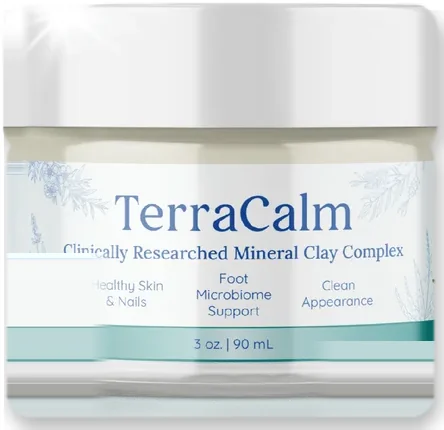
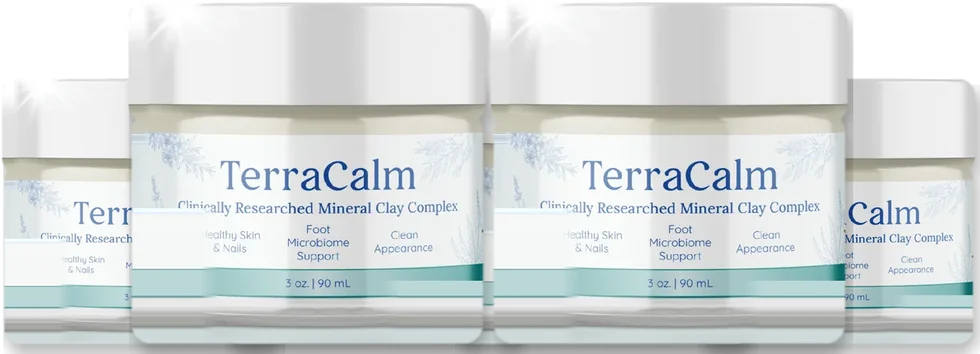
You cannot erase a spot that is already inside the nail, but a well-conditioned nail and cuticle look their healthiest as new growth comes in. TerraCalm is a once-daily topical mineral clay complex with vitamin E, aloe, shea butter and jojoba to help keep the nail and surrounding skin soft and supple. Backed by a 60-day guarantee.
Daily habits that keep nails looking clear
Since most white spots come from small, avoidable knocks, the best strategy is prevention plus patience:
- ✓ Be gentle at the base. Ask for a light touch at the cuticle during manicures, and never let anyone dig at the nail fold.
- ✓ Break the biting habit. Nail biting and picking are leading causes of both white spots and rough edges.
- ✓ Condition daily. A daily oil, balm or clay keeps the nail and cuticle supple so the surface looks its best.
- ✓ Protect your hands. Wear gloves for cleaning, gardening and dishwashing to spare nails from knocks and drying chemicals.
- ✓ Eat for keratin. A balanced diet with enough protein, iron and zinc supports even, resilient growth over time.
- ✓ Give it time. Resist the urge to buff spots off — heavy buffing thins the nail; simply let them grow out.
Where conditioning care fits
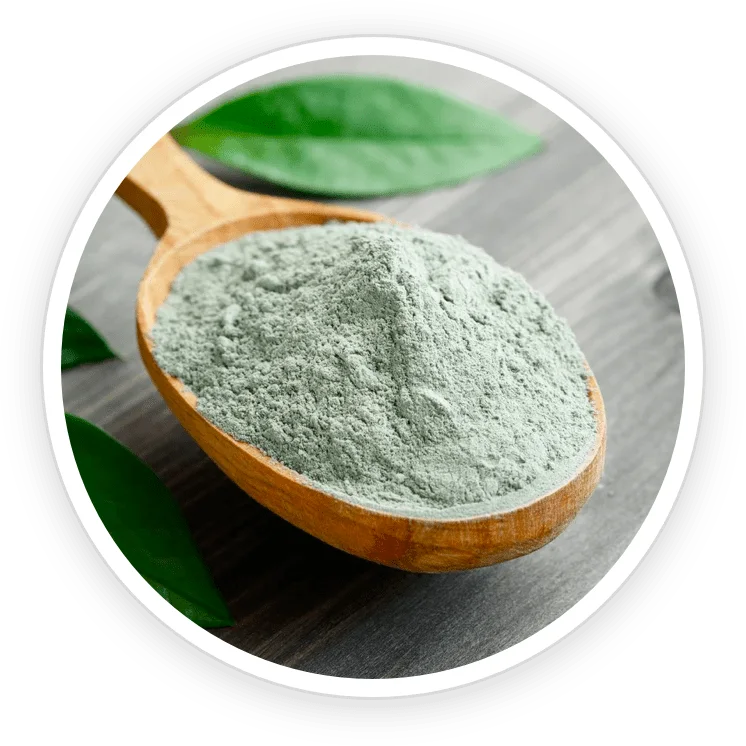
White spots themselves are a growth-out story, but the general health and appearance of the nail is something you can influence every day. Dryness makes any nail look duller and rougher, so keeping the plate and the skin around it conditioned is the most reliable everyday step. Oils and butters such as vitamin E, aloe, shea, jojoba and sweet almond soften the surface and cuticle, while mineral clays like bentonite and kaolin are traditionally used to support a clean, balanced surface. A once-daily formula such as TerraCalm brings those conditioning roles together. It will not lift out a spot, but it helps the nail look smooth and healthy as new growth arrives. Because spots often turn up alongside other nail worries, it is worth reading this next to what causes ridges in fingernails and, if your nails also feel weak, what causes brittle nails that split and peel.
When white spots deserve a doctor’s eye
Everyday white flecks need nothing more than patience, but a few patterns are worth a professional look. See a doctor or dermatologist if the white covers most of the nail, keeps spreading, appears with thickening, crumbling or the nail lifting from its bed, or shows up alongside other health symptoms. A chalky, expanding white on toenails can be a fungal issue rather than a knock, and widespread white nails occasionally reflect a general-health matter. People with diabetes or circulation concerns should have persistent nail changes checked promptly rather than waiting for them to grow out.
Start Your Daily Nail-Conditioning Ritual
What the research says about white nails
The medical literature is unusually clear on this one. A review in the American Journal of Clinical Dermatology asks directly what white nails can tell us, and separates true leukonychia — where the whiteness is in the plate itself — from apparent leukonychia, where the colour comes from the nail bed beneath and can reflect something systemic Iorizzo et al., 2022. The scattered dots most people are asking about fall into the first, harmless group.
That classification is long established: a review in the International Journal of Dermatology laid out the punctate, transverse and total patterns of leukonychia and their causes decades ago Grossman & Scher, 1990. On the diet question, a review in Nutrition in Clinical Practice covers how genuine micronutrient deficiency shows up in nails — and calcium is not the nutrient behind a random white dot DiBaise & Tarleton, 2019.
Frequently asked questions
Do white spots on nails mean a calcium deficiency?
Usually no. The idea that white spots on nails signal low calcium is one of the most persistent nail myths. In most people the spots are simply the result of minor knocks to the nail as it was forming. Diet matters for overall nail health, but a random white dot is far more likely to be a tiny past injury than a calcium shortfall.
What is the most common cause of white spots on nails?
Minor trauma to the nail matrix — the growth zone under the cuticle. Bumping a fingertip, an over-enthusiastic manicure, tapping nails on hard surfaces or nail biting can all disturb how the nail forms and leave a small white mark that then grows out with the nail over several weeks or months.
How long do white spots on nails take to go away?
Because a spot sits within the nail plate, it has to grow out rather than fade. Fingernails grow roughly three millimetres a month, so a spot near the base can take a few months to reach the tip and be trimmed away. Toenails grow more slowly and take longer.
Can I buff or scrub white spots off?
No — the mark is inside the nail plate, not on top of it, so buffing cannot reach it and heavy buffing only thins and weakens the nail. The reliable approach is to protect the nail from fresh knocks, keep it conditioned and let the spot grow out to the tip.
When should white spots on nails be checked by a doctor?
See a doctor if the white affects the whole nail, keeps spreading, appears alongside thickening, crumbling or lifting of the nail, or comes with other symptoms. Widespread or persistent white discolouration can occasionally point to a fungal issue or a general-health matter worth investigating, rather than a simple past knock.
Does TerraCalm remove white spots on nails?
No. TerraCalm is a cosmetic topical mineral clay complex for everyday skin and nail care. It cannot remove a spot that is already inside the nail, but conditioning the nail and cuticle supports a healthy-looking surface as new nail grows and is not intended to diagnose, treat, cure or prevent any disease.
References
- Iorizzo M, et al. “Leukonychia: What Can White Nails Tell Us?” American Journal of Clinical Dermatology, 2022. PMID 35112320
- Grossman M, Scher RK. “Leukonychia. Review and classification” International Journal of Dermatology, 1990. PMID 2242939
- DiBaise M, Tarleton SM. “Hair, Nails, and Skin: Differentiating Cutaneous Manifestations of Micronutrient Deficiency” Nutrition in Clinical Practice, 2019. PMID 31144371
- American Academy of Dermatology. “12 nail changes a dermatologist should examine.” aad.org
- Mayo Clinic. “Nails: Do’s and don’ts for healthy nails.” mayoclinic.org
- Harvard Health Publishing. “What your nails say about your health.” health.harvard.edu
- MedlinePlus (U.S. National Library of Medicine). “Nail abnormalities.” medlineplus.gov
The TerraCalm Research Team is an independent group that writes plain-language, evidence-aware guides on everyday foot, skin and nail care. We read primary dermatology and public-health sources, describe ingredients in terms of their traditional and general use, and are careful to separate cosmetic care from medical treatment. Our articles are reviewed for accuracy before publishing and are intended for general education — not as a diagnosis or a substitute for your own clinician’s advice.
† These statements have not been evaluated by the Food and Drug Administration. This product is not intended to diagnose, treat, cure or prevent any disease. This article is for general information only and is not medical advice; consult a qualified professional about your individual situation.