What Causes Brittle Nails That Split and Peel? Causes and Daily Fixes
| Biggest cause | What causes brittle nails most often is the wet-dry cycle — repeated soaking and drying from washing, cleaning and harsh removers — which makes layers of keratin separate, split and peel. |
| Other drivers | Age, dry air, low protein or iron, over-buffing, and picking at nails or polish. |
| What helps | Seal in moisture after washing, wear gloves for wet work, be gentle with tools, eat for keratin, and let damaged nail grow out. |
Few nail annoyances are as familiar as a nail that splits down the tip, catches on a sweater, or peels into thin, papery layers. If you keep asking what causes brittle nails and why yours split and peel no matter how carefully you file them, you are in very good company — brittle nails (doctors call it onychoschizia when they split into layers) are one of the most common everyday nail complaints, and they are especially frequent in adults who have their hands in water a lot and in people over fifty.
The good news is that most brittleness is driven by ordinary, fixable things rather than anything serious. This guide explains what causes brittle nails, which everyday habits quietly make them worse, the nutrients nails are built from, and a simple daily routine that helps nails stay strong and supple as they grow.
How a nail is built — and why it splits
A nail is made of many thin sheets of a tough protein called keratin, stacked and glued together with natural oils and a small amount of water. That structure is what gives a healthy nail its flexibility: it can bend a little without snapping. Brittleness sets in when those layers lose their moisture and the “glue” between them weakens — then the sheets start to separate at the free edge, and you get splitting, peeling and jagged breaks.
Two broad patterns exist. Dry, brittle nails that crack lengthwise are usually about lost moisture and oils. Soft, peeling nails that feel bendy and thin can come from too much moisture or repeated wetting. Knowing which pattern you have points you toward the right fix.
What causes brittle nails? The everyday culprits
1. The wet-dry cycle
This is the single most common driver. Every time a nail is soaked and then dries out — hand-washing, washing dishes, swimming, long baths — the keratin swells with water and then shrinks as it dries. Repeat that many times a day and the layers fatigue and separate, much like cardboard that has been wet and dried too often. People whose work or home routine involves frequent water contact are especially prone to this.
2. Harsh products and removers
Acetone-based nail-polish removers, strong household cleaners and hand sanitisers strip the natural oils that keep a nail flexible. Frequent gel or acrylic manicures — and the filing, soaking and picking that come with removing them — are another common cause of thin, weak nails.
3. Age and dry air
Nails naturally hold less moisture as we get older, so brittleness becomes more common with age. Dry winter air, indoor heating and low-humidity climates all pull moisture from the nail plate and make splitting more likely.
4. Diet and nutrient gaps
Because nails are protein, the raw materials for a strong nail come from what you eat. Low protein, iron, zinc or biotin can show up as weak, ridged or brittle nails. This is less common than the wet-dry cycle, but worth considering — especially if brittleness is widespread and paired with tiredness or hair changes.
5. Mechanical damage
Over-filing, aggressive buffing, using nails as tools to pry and scrape, and picking at polish or cuticles all physically thin and weaken the nail. Filing back and forth in a sawing motion is particularly hard on the free edge.
Condition your nails and skin daily
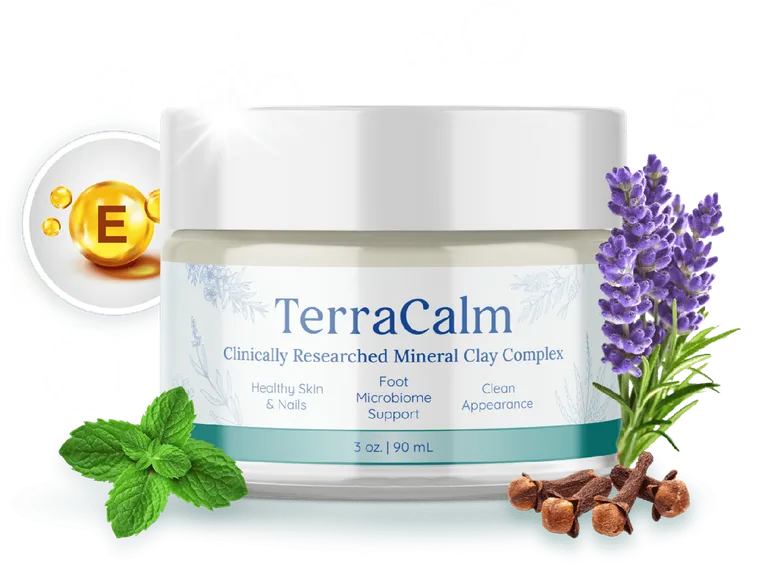
TerraCalm is a once-daily topical mineral clay complex with aloe, shea butter, jojoba, sweet almond oil and vitamin E — conditioning botanicals that help keep the skin around your nails soft and supple. Backed by a 60-day guarantee.
Daily habits that help brittle nails
Because a nail grows out rather than heals, the aim is to stop the damage and support stronger new nail. These habits target the causes above directly:
- ✓ Seal in moisture after every wash. Pat hands and feet dry, then apply a conditioning balm, oil or clay to the nails, cuticles and skin while they are still slightly damp.
- ✓ Wear gloves for wet work. Cotton-lined rubber gloves for dishes and cleaning break the wet-dry cycle that splits nails.
- ✓ Go easy on removers. Choose acetone-free removers when you can, and give nails polish breaks so their oils recover.
- ✓ File in one direction. Use a fine-grit file, move in a single direction, and never saw back and forth.
- ✓ Keep nails a practical length. Shorter nails have less leverage to catch, bend and split.
- ✓ Stop picking. Peeling polish or a lifting layer is tempting to pull — but it takes healthy nail with it.
Eat for stronger keratin
No single food fixes brittle nails, but a few nutrients give your body the materials to build a resilient nail. Protein supplies the amino acids that become keratin. Biotin (vitamin B7) is one of the most studied nutrients for nail firmness. Iron and zinc support normal growth, and shortfalls sometimes appear first as brittle or ridged nails. Omega-3 fats and vitamin E are linked with skin and nail conditioning. A varied, whole-food diet covers most of this for most people; supplements can help fill genuine gaps but work best alongside good food, not instead of it. Our companion guide to the best foods for strong, healthy nails goes deeper on what to put on your plate.
Where topical conditioning fits
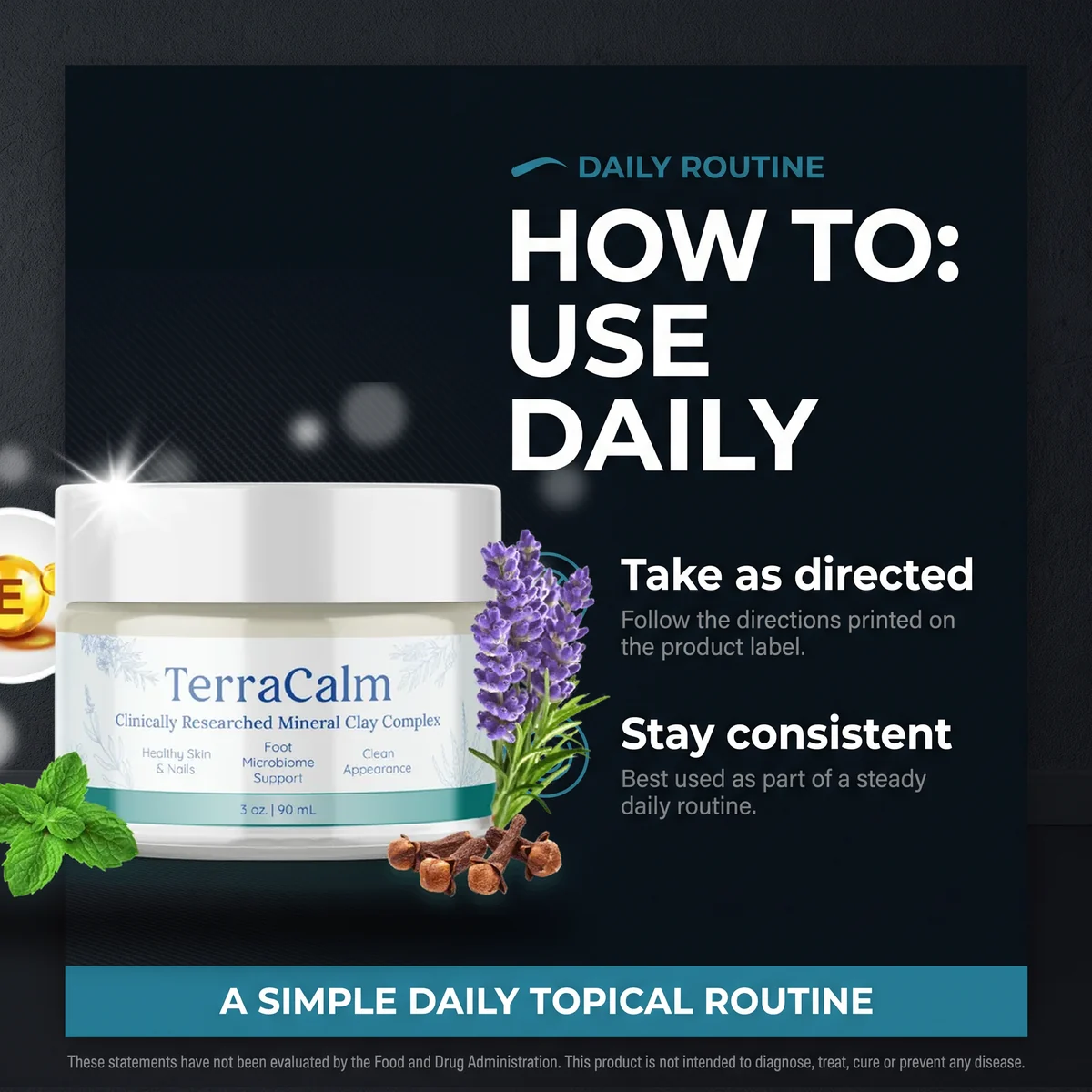
Since so much brittleness comes down to lost moisture and oils, keeping the nail and surrounding skin conditioned is one of the most useful everyday steps. Conditioning oils — aloe, shea butter, jojoba, sweet almond oil and vitamin E — soften and soothe, while mineral clays such as bentonite and kaolin are traditionally used to help balance a clean skin surface around the nail. A once-daily formula like TerraCalm brings those conditioning roles together in one step. It cannot rebuild keratin that is already damaged, but it supports a supple, well-tended nail environment in which stronger new nail can grow. For the broader picture, see our overview of how to keep your nails healthy and strong.
A simple routine for brittle nails
- 1After washing: condition. Massage a conditioning clay, balm or oil into nails, cuticles and skin while slightly damp to trap moisture.
- 2For wet work: glove up. Protect nails from repeated soaking, cleaning products and hot water.
- 3Weekly: shape gently. File in one direction to a practical length and tidy any snags before they catch and tear.
- 4Ongoing: be patient. Let damaged nail grow out; stronger new nail follows steady care.
When to see a professional
Everyday care handles most brittleness, but it is not a substitute for medical advice. See a doctor or dermatologist if brittleness comes on suddenly, affects many nails at once, is paired with symptoms like fatigue or hair loss, or if nails become discoloured, thickened, pitted or separated from the nail bed. Those patterns can point to a nutritional, thyroid or other medical cause worth investigating. People with diabetes or circulation concerns should have persistent nail changes checked promptly.
Start Your Daily Nail-Conditioning Ritual
What the research says about brittle nails
Brittle nails have a name in the literature — nail fragility syndrome — and a fairly settled explanation. A review in Dermatology and Therapy attributes most cases to repeated cycles of wetting and drying, which loosen the bonds between the layers of the nail plate until it splits horizontally at the free edge Chessa et al., 2020.
That framing goes back further. A paper in the Journal of Cosmetic Dermatology set out nail fragility as a syndrome with mechanical, chemical and occasionally systemic causes, and argued that treatment starts with removing the insult rather than adding a product Baran, 2004. The underlying physics was measured directly in Biochimica et Biophysica Acta, where spectroscopy showed how water content governs the flexibility of the nail plate — too little and it snaps, too much and it softens Wessel et al., 1999.
Brittleness on the hands and thickening on the feet often show up in the same person, because both are responses to repeated mechanical stress in different tissue. If your toenails have become hard to cut as your fingernails have become easy to split, the reasons toenails turn thick and hard are worth reading alongside this.
Frequently asked questions
What is the most common cause of brittle nails?
For most people the leading cause is the wet-dry cycle: nails that are repeatedly soaked and then dried out — through frequent hand-washing, dishwashing, swimming or acetone-based removers — expand and contract until the layers of keratin separate and split. Age and low humidity make dryness-related brittleness more likely too.
Are split and peeling nails a sign of vitamin deficiency?
Sometimes, but not always. Because nails are built from protein, low protein, iron, zinc or biotin can show up as weak, ridged or brittle nails. However, everyday causes such as water exposure and harsh products are far more common. If brittleness is severe, sudden or paired with other symptoms, a doctor can check for an underlying deficiency.
Does drinking more water fix brittle nails?
Staying hydrated supports overall skin and nail health, but the nail plate itself gains and loses water mainly at its surface. Sealing in moisture with a conditioning balm or oil after washing usually does more for brittleness than drinking extra water alone — because the goal is to slow how fast the nail dries out.
How long does it take brittle nails to grow out?
Fingernails grow roughly three millimetres a month and toenails more slowly, so replacing a whole nail can take several months. That is why consistency matters: better daily habits show up gradually as stronger new nail grows in, rather than repairing the section that is already damaged.
Can a topical product make nails less brittle?
A conditioning topical cannot rebuild damaged keratin, but keeping the nail and surrounding skin moisturised helps the nail stay supple rather than dry and prone to splitting. TerraCalm is a cosmetic mineral clay complex for everyday foot and nail care; it is not a medical treatment and is not intended to diagnose, treat, cure or prevent any disease.
References
- Chessa MA, et al. “Pathogenesis, Clinical Signs and Treatment Recommendations in Brittle Nails: A Review” Dermatology and Therapy (Heidelberg), 2020. PMID 31749091
- Baran R. “Nail fragility syndrome and its treatment” Journal of Cosmetic Dermatology, 2004. PMID 17134427
- Wessel S, et al. “Hydration of human nails investigated by NIR-FT-Raman spectroscopy” Biochimica et Biophysica Acta, 1999. PMID 10446373
- American Academy of Dermatology. “10 tips for growing long, strong nails.” aad.org
- Mayo Clinic. “Nails: Do’s and don’ts for healthy nails.” mayoclinic.org
- National Institutes of Health, Office of Dietary Supplements. “Biotin — Fact Sheet for Consumers.” ods.od.nih.gov
- MedlinePlus (U.S. National Library of Medicine). “Brittle nails.” medlineplus.gov
The TerraCalm Research Team is an independent group that writes plain-language, evidence-aware guides on everyday foot, skin and nail care. We read primary dermatology and public-health sources, describe ingredients in terms of their traditional and general use, and are careful to separate cosmetic care from medical treatment. Our articles are reviewed for accuracy before publishing and are intended for general education — not as a diagnosis or a substitute for your own clinician’s advice.
† These statements have not been evaluated by the Food and Drug Administration. This product is not intended to diagnose, treat, cure or prevent any disease. This article is for general information only and is not medical advice; consult a qualified professional about your individual situation.