Why Are My Cuticles Dry and Cracked? Causes and Daily Care
| The main answer | Why are my cuticles dry and cracked? It is nearly always a moisture problem — the thin cuticle skin loses its natural oils and stiffens until it splits. |
| Common triggers | Frequent hand washing and hot water, harsh soaps and sanitisers, cold dry air, over-manicuring, and picking or cutting the cuticle. |
| What helps | Moisturise morning and night, wear gloves for wet work, stop cutting the cuticle, and be patient — skin needs a few days to recover. |
Dry, cracked cuticles are one of those small problems that never seem to fully go away — they flake, they split, they catch, and picking at them only makes things worse. If you have found yourself wondering why are my cuticles dry and cracked no matter what you do, the reassuring news is that the cause is almost always simple and fixable. The cuticle is delicate skin doing a demanding job, and it responds quickly once you understand what it needs.
This guide explains what the cuticle actually is and why it matters, the everyday habits and conditions that dry it out, why you should almost never cut it, and the straightforward daily routine that keeps cuticles soft, sealed and healthy-looking.
What the cuticle is and why it matters
The cuticle is the thin band of skin where the nail meets the finger, sitting over the base of the nail. It is easy to dismiss as something to be trimmed away, but it has a real job: it forms a living seal that protects the nail matrix — the growth zone where new nail is made — from bacteria, water and irritants. When the cuticle is healthy and supple, that seal holds. When it dries out and cracks, the seal is broken, which not only looks and feels rough but leaves the sensitive area beneath more exposed. That is why looking after the cuticle is about far more than appearance.
Why dryness is the root cause
Because the cuticle is thin, low-oil skin, it loses moisture faster than the thicker skin elsewhere on your hands. Supple skin flexes; dry skin stiffens and splits. Almost everything that dries out the cuticle comes down to stripping away its natural oils or pulling water out of the skin. Once you see dryness as the common denominator, the whole list of triggers below starts to make sense — and so does the fix, which is simply putting moisture back and protecting what is there.
The everyday triggers of dry, cracked cuticles
- ✓ Frequent hand washing. Repeated wetting and drying — the wet-dry cycle — is one of the most dehydrating things for skin.
- ✓ Hot water and harsh soaps. Both strip protective oils; alcohol sanitisers do the same.
- ✓ Cold, dry air. Winter weather and indoor heating pull moisture from the skin, so cuticles crack more in the colder months.
- ✓ Cutting the cuticle. Trimming it away removes the protective seal and often leaves the skin drier and more prone to splitting.
- ✓ Picking and peeling. Worrying at dry skin around the nail creates fresh cracks and can lead to soreness or infection.
- ✓ Nail products and removers. Acetone and drying polish removers, and frequent gel removal, leave the cuticle parched.

Why you should almost never cut your cuticles
It is tempting to snip away rough or overgrown cuticle for a tidier look, but most dermatologists advise against it. Cutting removes the seal that protects the matrix, exposing the area to bacteria and making dryness, cracking and infection more likely, not less. If you want a neat finish, the safer approach is to soften the cuticle in warm water and gently push it back with a soft tool, never forcing it. Leave the skin intact and let moisture, rather than a blade, do the work of keeping it looking cared for.
Keep cuticles soft with a daily ritual
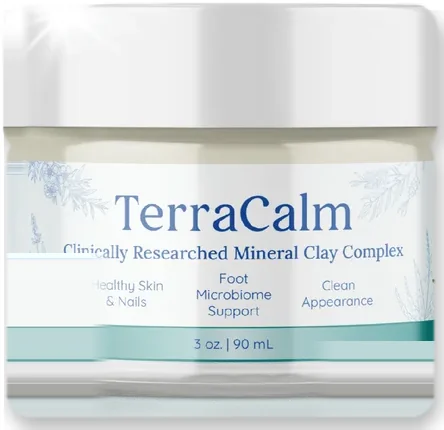
Cuticles recover fastest when you condition them consistently. TerraCalm is a once-daily topical mineral clay complex with coconut oil, shea butter, jojoba, sweet almond oil, aloe and vitamin E to help keep the cuticle and surrounding skin soft and supple. Backed by a 60-day guarantee.
A daily routine for soft, healthy cuticles
Cracked cuticles heal with consistency far more than with any single miracle product. This simple routine covers it:
- ✓ Moisturise morning and night. Massage an oil, balm or conditioning clay into each cuticle — the massage helps too.
- ✓ Condition after every wash. Reapply after hand washing, showering or sanitising, when skin is most stripped.
- ✓ Wear gloves for wet work. Protect hands during dishwashing, cleaning and gardening.
- ✓ Switch to gentle products. A milder soap and a non-acetone remover are kinder to the cuticle.
- ✓ Push, don’t cut. Gently push back a softened cuticle instead of trimming it.
- ✓ Eat for skin. Healthy fats and protein support supple skin — see the best foods for strong, healthy nails.
Where conditioning care fits
Because the whole problem is dryness, keeping the cuticle consistently conditioned is the everyday step that matters most. Nourishing oils and butters such as coconut, shea, jojoba, sweet almond, aloe and vitamin E soften the thin skin so it flexes instead of cracking, while mineral clays like bentonite and kaolin are traditionally used to support a clean, balanced surface. A once-daily formula such as TerraCalm brings those conditioning roles together in a ritual that takes seconds and doubles as a moment of hand care. It is a cosmetic conditioner, not a medical treatment, but a supple cuticle is a healthy-looking one. The same dryness behind cracked cuticles is what causes those painful little tags, so read this alongside what causes hangnails and how to prevent them and, for the bigger picture, how to keep your nails healthy and strong.
When cracked cuticles need a doctor
Simple dryness responds to conditioning, but the skin around the nail can become infected — a condition called paronychia. See a doctor if a cracked cuticle becomes red, swollen, warm or painful, if you notice pus, or if cracking is severe, persistent and not improving with good daily care. Deep, painful cracks that keep coming back, or cuticle changes alongside a skin condition such as eczema or psoriasis, are also worth a professional opinion. People with diabetes or circulation concerns should treat any break in the skin near the nails seriously and seek advice early.
Start Your Daily Cuticle-Conditioning Ritual
The evidence behind cuticle care
The cuticle is a seal, and a seal only works while it is flexible. Spectroscopic measurements published in Biochimica et Biophysica Acta demonstrated how tightly water content governs the mechanical behaviour of the nail unit — dry tissue is stiff tissue, and stiff tissue splits Wessel et al., 1999.
That is also why an oil or balm outperforms water alone. A controlled study in the British Journal of Dermatology showed that topically applied lipids measurably improved recovery in skin irritated by surfactants — the everyday insult of washing-up liquid and hand soap Lodén & Andersson, 1996. And the reason to stop picking at a split rather than pull it is set out plainly in a review of paronychia, where minor trauma to the nail fold is the usual route into a painful infection Leggit, 2017.
Picking and biting are the same behaviour at different intensities, and the cuticle is usually where it starts. If you catch yourself worrying at the skin beside the nail without noticing, the reasons nail biting takes hold and the habit-reversal techniques that work on it apply just as well to cuticle picking.
Frequently asked questions
Why are my cuticles so dry and cracked?
Dry, cracked cuticles are almost always a moisture problem. The cuticle is thin skin that loses water easily, and things like frequent hand washing, hot water, harsh soaps and sanitisers, cold dry air and cutting or picking at the cuticle all strip its natural oils. Without those oils the skin stiffens, cracks and peels.
Should you cut your cuticles?
Most dermatologists advise against cutting the cuticle. It forms a living seal that protects the nail matrix from bacteria and moisture loss. Cutting it away exposes the area, invites infection and often makes dryness and cracking worse. Gently pushing a softened cuticle back is a safer alternative if you want a tidy look.
How do I heal dry cracked cuticles fast?
Soften the skin in warm water, apply a rich oil, balm or conditioning clay, and repeat morning and night. Wear gloves for wet work, switch to a milder soap, and stop picking. Consistency over a few days matters more than any single treatment, because the skin needs time to rehydrate and repair.
Are cracked cuticles a sign of a deficiency?
Usually they are simply dry, damaged skin rather than a nutrient sign. However, if cracking is persistent and paired with generally poor skin and nails, a diet low in protein, healthy fats or certain vitamins can be a contributing factor, so eating well supports the skin alongside daily moisturising.
Why do my cuticles crack more in winter?
Cold outdoor air holds little moisture and indoor heating dries the air further, so skin loses water from both sides. The thin cuticle feels it first. Moisturising more often, wearing gloves outdoors and avoiding very hot water all help through the colder months.
Does TerraCalm heal dry cuticles?
No. TerraCalm is a cosmetic topical mineral clay complex for everyday skin and nail care. Its conditioning oils and butters can help keep the cuticle and surrounding skin soft and supple, which reduces everyday dryness, but it is a cosmetic conditioner and is not intended to diagnose, treat, cure or prevent any disease.
References
- Wessel S, et al. “Hydration of human nails investigated by NIR-FT-Raman spectroscopy” Biochimica et Biophysica Acta, 1999. PMID 10446373
- Lodén M, Andersson AC. “Effect of topically applied lipids on surfactant-irritated skin” British Journal of Dermatology, 1996. PMID 8746332
- Leggit JC. “Acute and Chronic Paronychia” American Family Physician, 2017. PMID 28671378
- American Academy of Dermatology. “How to care for your nails.” aad.org
- Mayo Clinic. “Nails: Do’s and don’ts for healthy nails.” mayoclinic.org
- MedlinePlus (U.S. National Library of Medicine). “Paronychia.” medlineplus.gov
- Harvard Health Publishing. “What your nails say about your health.” health.harvard.edu
The TerraCalm Research Team is an independent group that writes plain-language, evidence-aware guides on everyday foot, skin and nail care. We read primary dermatology and public-health sources, describe ingredients in terms of their traditional and general use, and are careful to separate cosmetic care from medical treatment. Our articles are reviewed for accuracy before publishing and are intended for general education — not as a diagnosis or a substitute for your own clinician’s advice.
† These statements have not been evaluated by the Food and Drug Administration. This product is not intended to diagnose, treat, cure or prevent any disease. This article is for general information only and is not medical advice; consult a qualified professional about your individual situation.