What Causes Hangnails and How to Prevent Them: A Daily Guide
| The main cause | What causes hangnails is nearly always dryness — the skin beside the nail loses moisture, stiffens and splits into a little tag. |
| What makes them worse | Picking and biting, harsh soaps and sanitisers, frequent hand washing, cold dry air, and cutting the cuticle. |
| How to prevent them | Moisturise the nail folds daily, wear gloves for wet work, trim (never pull) a hangnail cleanly, and leave the cuticle intact. |
Few small annoyances are as out of proportion to their size as a hangnail. That tiny strip of torn skin at the edge of a nail can catch on clothing, sting all day, and tempt you into picking that only makes it worse. If you keep getting them, you have probably wondered what causes hangnails and whether you are doing something wrong. The honest answer is that they are extremely common, rarely serious, and almost entirely preventable once you understand the single factor behind them.
This guide explains what a hangnail actually is, why dryness is the root cause, the everyday habits that trigger them, how to deal with one safely without inviting infection, and the simple daily routine that keeps the skin around your nails soft enough to stop hangnails forming in the first place.
What a hangnail actually is
Despite the name, a hangnail has nothing to do with the nail itself. It is a small piece of torn skin — usually along the side of the nail fold or near the cuticle — that has split away from the surrounding skin and now hangs loose. The skin in this area is thin and takes a lot of daily wear, so when it dries out it loses its flexibility and cracks rather than stretching. That loose flap is what catches, snags and stings. Because it is living skin, not dead nail, tearing it off hurts and can bleed, which is exactly why hangnails deserve a gentler approach than most people give them.
Why dryness is the real cause
The common thread behind almost every hangnail is a lack of moisture in the skin around the nail. Well-hydrated skin is supple and moves with your hands; dry skin is stiff and brittle, and stiff skin splits. Anything that strips natural oils from your hands accelerates the problem — which is why hangnails spike in winter, after a day of frequent hand washing, or when you have been using strong cleaning products. Understanding this one fact reframes the whole issue: hangnails are not a hygiene failing or a sign of neglect, they are a hydration problem, and hydration is something you can fix.
The everyday habits that trigger hangnails
- ✓ Harsh soaps and sanitisers. Alcohol gels and strong detergents strip the skin’s natural oils and leave the nail folds parched.
- ✓ Frequent hand washing. Repeated wetting and drying — the wet-dry cycle — is one of the most drying things you can do to hands.
- ✓ Picking and biting. Worrying at the skin around your nails creates fresh tears and turns one hangnail into several.
- ✓ Cutting the cuticle. The cuticle seals the nail fold; cutting it away exposes the skin and invites splitting and infection.
- ✓ Cold, dry air. Winter and air conditioning pull moisture from skin, making splits far more likely.
- ✓ Wet work without gloves. Dishwashing, cleaning and gardening expose the nail folds to water and chemicals for long stretches.
How to deal with a hangnail safely
The instinct to pull or bite a hangnail off is exactly the wrong move: it tears healthy skin, enlarges the wound and is the most common route to a painful infection around the nail. Here is the safe method instead:
- Leggit JC. “Acute and Chronic Paronychia” American Family Physician, 2017. PMID 28671378
- Wessel S, et al. “Hydration of human nails investigated by NIR-FT-Raman spectroscopy” Biochimica et Biophysica Acta, 1999. PMID 10446373
- Dinani N, George S. “Nail cosmetics: a dermatological perspective” Clinical and Experimental Dermatology, 2019. PMID 30793352
- Soften first. Soak the finger in warm water for a few minutes, or deal with it after a shower when the skin is supple.
- Trim, don’t tear. Use clean, sanitised nail clippers or cuticle nippers to snip the loose strip off close to its base — do not pull it.
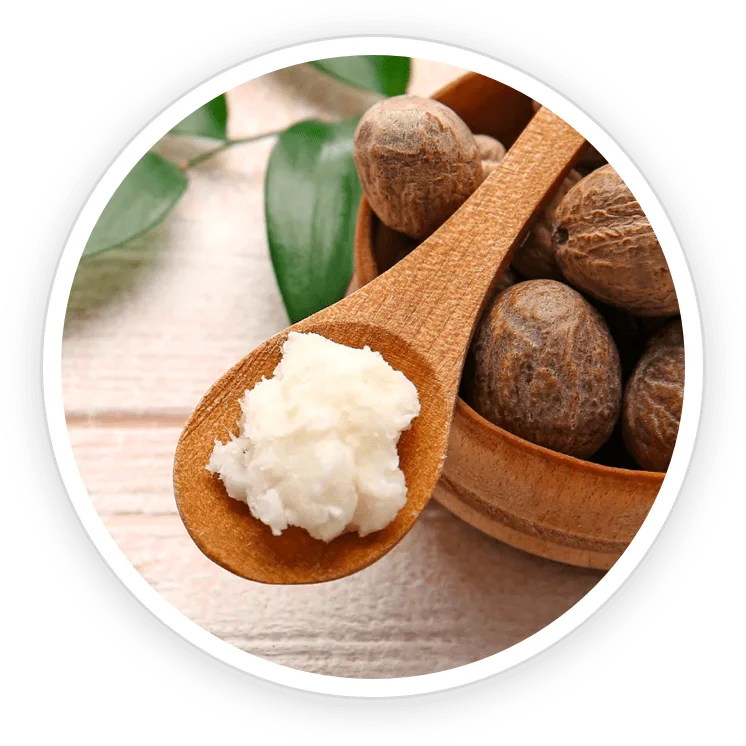
- Moisturise. Immediately work an oil, balm or conditioning clay into the area to rehydrate the skin and help it recover.
- Protect. If it is sore or has bled, keep it clean and covered for a day. Watch for redness, swelling or pus, which are signs of infection that may need a doctor.
Keep the skin around your nails soft daily
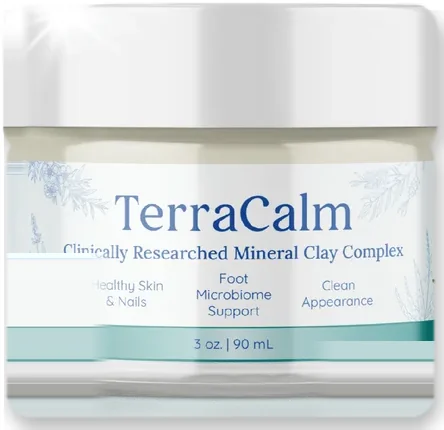
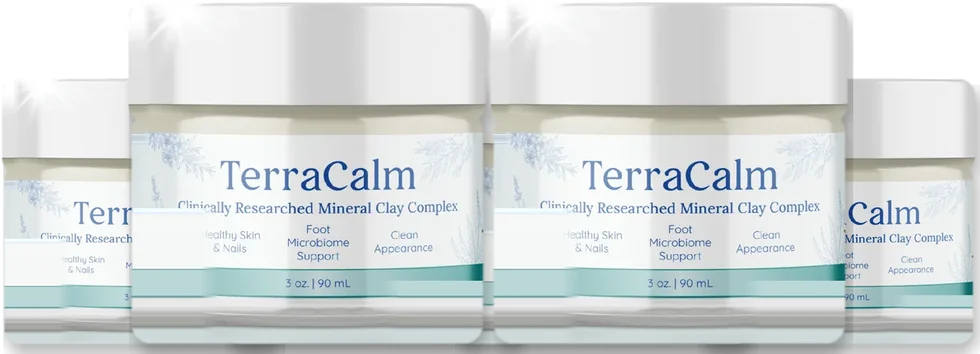
Because dryness is the root cause of hangnails, the most effective prevention is keeping the nail folds conditioned. TerraCalm is a once-daily topical mineral clay complex with aloe, shea butter, jojoba, vitamin E and sweet almond oil to help keep the skin around your nails soft and supple. Backed by a 60-day guarantee.
How to prevent hangnails for good
Prevention is far easier than treatment, and it comes down to keeping the skin hydrated and protected:
- ✓ Moisturise the nail folds daily. A little oil, balm or clay massaged into the sides of each nail is the single most effective habit.
- ✓ Wear gloves for wet work. Protect hands during dishwashing, cleaning and gardening to break the drying wet-dry cycle.
- ✓ Go gentle on soaps. Choose milder cleansers, and always moisturise after washing or sanitising.
- ✓ Leave the cuticle alone. Gently push it back if you must, but never cut it — it is your seal against splits and infection.
- ✓ Stop picking. Keep a balm handy so that when you notice a rough edge you condition it instead of worrying at it.
- ✓ Eat for skin and nails. A balanced diet supports resilient skin — see our guide to the best foods for strong, healthy nails.
Where conditioning care fits
Since a hangnail is a dryness problem at heart, keeping the nail folds and cuticle consistently conditioned is the everyday step that makes the biggest difference. Oils and butters such as shea, jojoba, sweet almond, aloe and vitamin E soften the thin skin around the nail so it flexes instead of splitting, while mineral clays like bentonite and kaolin are traditionally used to support a clean, balanced surface. A once-daily formula such as TerraCalm brings those conditioning roles together in a routine that takes seconds. It is a cosmetic conditioner rather than a treatment, but keeping the skin supple is precisely what stops hangnails forming. The same dryness that causes hangnails often shows up elsewhere, so it is worth reading alongside why are my cuticles dry and cracked and what causes brittle nails that split and peel.
When a hangnail needs a doctor
Most hangnails heal on their own with a clean trim and a little moisture, but the skin around the nail can become infected — a condition called paronychia. See a doctor if the area becomes red, swollen, warm, throbbing or starts to ooze pus, if a hangnail will not heal, or if you get infections around the nails repeatedly. People with diabetes or circulation concerns should be especially cautious with any break in the skin near the nails and seek advice early rather than waiting.
Start Your Daily Nail-Conditioning Ritual
Why a hangnail is worth taking seriously
A hangnail is a torn strip of skin, which means it is also a breach in the barrier beside the nail. A review in American Family Physician describes how acute paronychia — the painful, red, sometimes pus-filled infection of the nail fold — commonly follows exactly that kind of minor trauma, and sets out when it needs draining rather than soaking Leggit, 2017. That is the practical reason not to tear one off.
Prevention comes down to keeping the skin pliable enough not to tear. Spectroscopic work on the nail unit showed how directly water content controls flexibility in this tissue Wessel et al., 1999, while a dermatological review of nail cosmetics catalogues how solvents, removers and enthusiastic cuticle work strip the very skin that is meant to seal the nail fold Dinani & George, 2019.
Frequently asked questions
What causes hangnails?
Hangnails are small torn strips of skin at the side or base of a nail, and they are almost always caused by dryness. When the skin around the nail loses moisture it becomes stiff and splits easily, and everyday habits like harsh soaps, frequent hand washing, cold weather and picking at the cuticle make the splitting far more likely.
Are hangnails a sign of a vitamin deficiency?
Usually not. The vast majority of hangnails are simply dry, split skin rather than a nutrient sign. That said, a diet very low in protein, iron or the B vitamins can leave skin and nails more fragile overall, so if hangnails are constant and the skin around your nails is generally poor, a balanced diet is worth looking at alongside daily moisturising.
Should you bite or pull off a hangnail?
No. Pulling or biting a hangnail tears living skin, enlarges the wound and opens the door to a painful infection. Instead, soften the area, trim the loose strip cleanly with sanitised clippers close to its base, and then moisturise. Never rip it away.
How do you prevent hangnails from coming back?
Keep the skin around your nails consistently moisturised, wear gloves for cleaning and dishwashing, avoid harsh sanitisers and hot water where you can, stop picking at the cuticle, and never cut the cuticle away. Consistent hydration of the nail folds is the single most effective habit for preventing hangnails.
Why do I get so many hangnails in winter?
Cold outdoor air and dry indoor heating both pull moisture from your skin, and the nail folds are thin and quick to dry out. Combined with more frequent hand washing in the colder months, that is a recipe for splits. Moisturising more often and wearing gloves outdoors makes a noticeable difference.
Does TerraCalm treat or heal hangnails?
No. TerraCalm is a cosmetic topical mineral clay complex for everyday skin and nail care. Keeping the skin around the nails soft and conditioned can help reduce the dryness that leads to hangnails, but the product is a cosmetic conditioner and is not intended to diagnose, treat, cure or prevent any disease.
References
- American Academy of Dermatology. “How to care for your nails.” aad.org
- Mayo Clinic. “Nails: Do’s and don’ts for healthy nails.” mayoclinic.org
- MedlinePlus (U.S. National Library of Medicine). “Paronychia.” medlineplus.gov
- Harvard Health Publishing. “What your nails say about your health.” health.harvard.edu
The TerraCalm Research Team is an independent group that writes plain-language, evidence-aware guides on everyday foot, skin and nail care. We read primary dermatology and public-health sources, describe ingredients in terms of their traditional and general use, and are careful to separate cosmetic care from medical treatment. Our articles are reviewed for accuracy before publishing and are intended for general education — not as a diagnosis or a substitute for your own clinician’s advice.
† These statements have not been evaluated by the Food and Drug Administration. This product is not intended to diagnose, treat, cure or prevent any disease. This article is for general information only and is not medical advice; consult a qualified professional about your individual situation.