Why Do I Bite My Nails and How to Stop for Good
| The main answer | Why do I bite my nails? Nail biting is usually a soothing, automatic habit triggered by stress, boredom, concentration or frustration — often starting in childhood and running on autopilot. |
| Is it bad? | Mostly cosmetic, but frequent biting damages nails and cuticles, spreads germs and can affect teeth — worth breaking. |
| How to stop | Spot your triggers, keep nails smooth and trimmed, keep hands busy, use a bitter deterrent, and be patient with the process. |
You promise yourself you will stop, and then you catch your fingers halfway to your mouth again during a stressful email or a tense scene in a film. Nail biting is one of the most common habits there is, and if you have typed why do I bite my nails into a search bar, you are looking for two things: to understand what is really driving it, and to find a way to stop that actually sticks. The reassuring truth is that nail biting is rarely a sign of anything wrong — it is a habit, and habits, however stubborn, can be changed with the right approach.
This guide explains the real psychology behind nail biting, what it does to your nails and the skin around them, and a practical, judgement-free toolkit of daily habits that help you stop for good.
What nail biting actually is
Nail biting — its clinical name is onychophagia — belongs to a family of habits called body-focused repetitive behaviours, which also includes things like skin picking and hair pulling. The defining feature is that it is soothing and largely automatic: most people bite without consciously deciding to, and only notice once it is done. It is extremely common in children and teenagers and often eases with age, but plenty of adults carry it with them. Understanding it as a self-regulating habit — a way the body discharges tension or fills a restless moment — is important, because it points the way to stopping. You cannot simply forbid a habit; you have to understand its job and give it a better alternative.
The real reasons behind nail biting
Nail biting usually serves an emotional or sensory purpose. The most common drivers are:
- ✓ Stress and anxiety. Biting can be a way of soothing nervous tension, so it spikes in pressured moments.
- ✓ Boredom and under-stimulation. Idle hands reach for something to do; biting fills the gap.
- ✓ Concentration. Many people bite while deep in thought, reading or problem-solving.
- ✓ Frustration or impatience. A held-in feeling looks for a physical outlet.
- ✓ Rough or uneven nails. A catchy edge or hangnail invites “tidying” with the teeth — which makes it worse.
- ✓ Long-standing habit. For many it began in childhood and simply became automatic.
That fifth trigger is a hidden lever most people overlook: when nails and cuticles are rough, there is always something to pick at. Keeping edges smooth removes a surprising number of biting opportunities — and it links closely to what causes hangnails and how to prevent them, since biting and hangnails feed each other.
Is biting your nails actually bad for you?
Let us be balanced: an occasional nibble is mostly a cosmetic issue. But frequent, committed nail biting does carry real downsides. It damages the nail and the delicate skin around it, causing sore, torn cuticles and hangnails and leaving the nail bed exposed and tender. It transfers germs from your hands straight to your mouth, which is simply not great hygiene. Over time it can affect how the nail grows and, less commonly, contribute to dental wear or gum irritation. Chronic biting that breaks the skin can also let in infection. None of this is meant to alarm you — it is not usually dangerous — but it does explain why stopping is worthwhile for your nails, your skin and your general health.
Give your nails a reason to stay nice
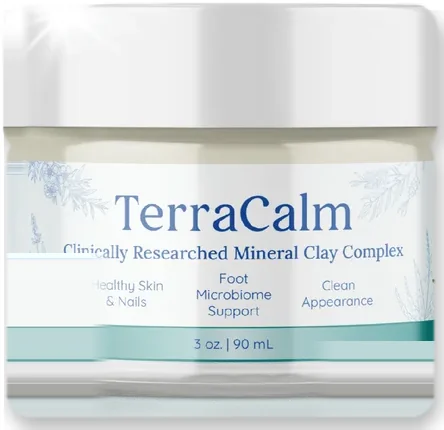
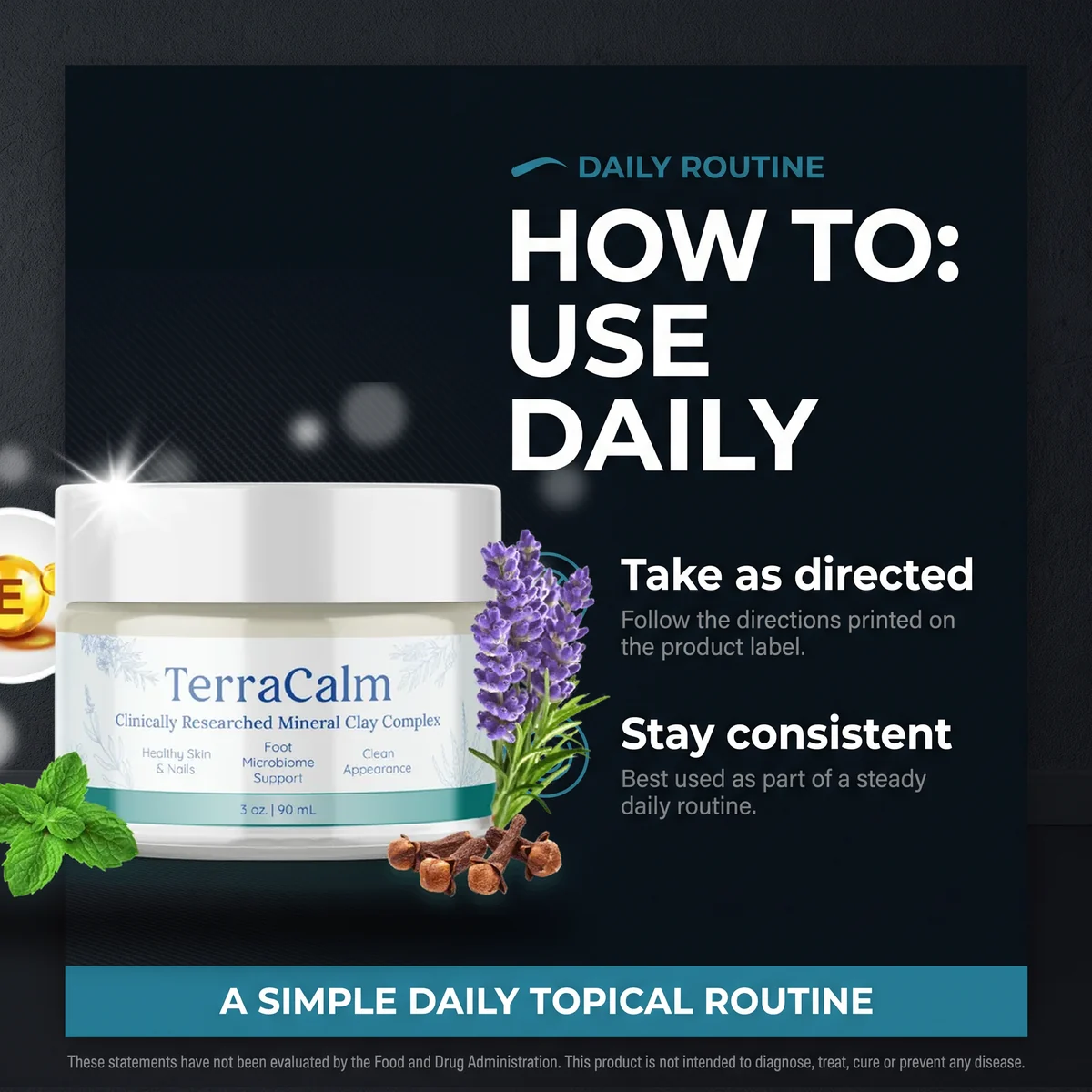
One of the quiet secrets of quitting is momentum: the nicer your nails look and feel, the less you want to wreck them — and the fewer rough edges there are to tempt you. TerraCalm is a once-daily topical mineral clay complex with vitamin E, rosemary, aloe, shea butter and jojoba that keeps the nail and cuticle smooth, soft and cared for. It is a cosmetic conditioner, not a treatment for the habit — but smooth, tidy nails are a genuine ally when you are trying to stop. Backed by a 60-day guarantee.
How to stop biting your nails for good
The habits that work combine awareness (catching yourself) with substitution (giving the urge somewhere else to go). Pick two or three of these and stick with them:
- ✓ Learn your triggers. Notice when you bite — stressed, bored, concentrating? — and you can head it off.
- ✓ Keep nails short and smooth. No rough edge to catch means far less to bite; file, do not leave jagged tips.
- ✓ Keep hands busy. A fidget ring, a stress ball or a pen gives restless fingers a competing job.
- ✓ Use a bitter deterrent. A bitter-tasting, safe polish makes the automatic bite unpleasant enough to interrupt.
- ✓ Condition the cuticles. Smooth, moisturised cuticles remove the hangnails and rough skin that invite picking.
- ✓ Create a barrier. Some people find gloves, plasters or even a manicure they do not want to ruin genuinely helpful.
- ✓ Replace, do not just resist. When the urge hits, do a set alternative — press fingertips together, take a breath.
- ✓ Be patient and kind. Slips are normal. Progress, not perfection, is what rebuilds the nails.
Where conditioning care fits
Stopping nail biting is mostly a behaviour-change project — awareness, substitution and patience — but nail care plays a real supporting role by removing the rough triggers and giving you nails worth protecting. Conditioning oils and butters such as vitamin E, aloe, shea, jojoba and sweet almond keep the cuticle and nail fold smooth so there is nothing to catch, while antioxidant botanicals like rosemary are traditionally used to support resilient-looking skin, and mineral clays like bentonite and kaolin help keep the surface clean and balanced. A once-daily routine with TerraCalm makes that upkeep effortless as your nails recover. For the full care routine as they grow back, read how to keep your nails healthy and strong.
When nail biting deserves extra help
Most nail biting responds well to the self-help habits above, but it is worth seeking support if biting is severe, feels genuinely out of your control, causes repeated skin infections or significant pain, or is bound up with anxiety or distress that affects your daily life. In those cases a doctor or a psychologist can help — approaches such as habit-reversal training and cognitive behavioural techniques are well suited to body-focused repetitive behaviours. There is no shame in it; asking for help with a stubborn habit is simply an efficient way to change it.
Start Your Daily Nail-Conditioning Ritual
What actually works for stopping, according to the research
Nail biting sits in a family of behaviours clinicians call body-focused repetitive behaviours, and that classification matters because it points at a technique with evidence behind it. A review in Dermatologic Therapy sets out habit reversal training — becoming aware of the behaviour, then substituting a competing physical response — as the best-supported approach for this group of habits Skurya et al., 2020.
The encouraging finding is that it does not require a clinic. A head-to-head trial in Behavior Modification compared three self-help techniques for body-focused repetitive behaviours and found meaningful reductions from self-administered methods Moritz et al., 2022. A 2025 narrative review in Dermatology and Therapy surveyed internet-based self-help tools for the same behaviours and offers practical guidance on using them, while being candid about how mixed the quality is Murase et al., 2025. Awareness first, substitution second, and a barrier that makes biting unrewarding third.
One reason a long-planned manicure can help is that it makes the nail feel like something you have invested in. It is worth knowing the trade-off before booking, though — whether gel manicures are bad for your nails depends far more on how they come off than on how they go on.
Frequently asked questions
Why do I bite my nails?
Nail biting is usually a soothing, automatic habit rather than a sign of anything wrong. It is most often triggered by stress, anxiety, boredom, concentration or frustration, and for many people it started in childhood and simply stuck. Some do it more when nails feel rough or uneven, chasing a smooth edge. It is classed as a body-focused repetitive behaviour, and it often happens without you even noticing.
Is biting your nails bad for you?
Occasional biting is mostly a cosmetic issue, but frequent biting can damage the nail and the skin around it, cause hangnails and sore, torn cuticles, transfer germs from hands to mouth, and over time affect how the nail grows. It can also damage teeth and gums. It is not usually dangerous, but breaking the habit is good for both your nails and your general hygiene.
How do I stop biting my nails?
The most effective approaches combine awareness and substitution: notice your triggers, keep nails neatly trimmed and smooth so there is nothing to catch, keep hands busy with a fidget object, use a bitter-tasting deterrent polish, and give your hands a small competing action when the urge hits. Keeping nails and cuticles conditioned removes the rough edges that often prompt biting. Be patient and kind with yourself — it is a habit, and habits take repetition to change.
Does nail biting damage the nail permanently?
Most damage from nail biting reverses once you stop, as healthier nail grows out over several months. Occasionally very long-term, aggressive biting that injures the nail matrix can cause lasting ridging or shape changes, but this is uncommon. For the vast majority of people, stopping the habit lets the nails recover their normal appearance with time and care.
Does nail biting mean I have anxiety?
Not necessarily. While stress and anxiety are common triggers, plenty of people bite out of boredom, concentration or simple long-standing habit with no underlying disorder. It becomes worth discussing with a professional if it feels uncontrollable, causes injury, or goes hand in hand with anxiety that is affecting your life — but on its own, nail biting is very common and usually just a habit.
Can TerraCalm help me stop biting my nails?
TerraCalm is a cosmetic topical mineral clay complex for everyday nail and skin care — it is not a treatment for nail biting. However, keeping nails and cuticles smooth, conditioned and cared for removes the rough, catchy edges that often trigger biting, and having neater nails can be motivating in itself. It is not intended to diagnose, treat, cure or prevent any disease.
References
- Skurya J, et al. “Habit reversal therapy in the management of body focused repetitive behavior disorders” Dermatologic Therapy, 2020. PMID 32542916
- Moritz S, et al. “A Head-to-Head Comparison of Three Self-Help Techniques to Reduce Body-Focused Repetitive Behaviors” Behavior Modification, 2022. PMID 33880943
- Murase EM, et al. “Narrative Review of Internet-Based Self-Help Tools for Body-Focused Repetitive Behaviors: Recommendations for Clinical Practice” Dermatology and Therapy (Heidelberg), 2025. PMID 40102374
- American Academy of Dermatology. “How to stop biting your nails.” aad.org
- Mayo Clinic. “Nail biting: Does it cause long-term damage?” mayoclinic.org
- Harvard Health Publishing. “What your nails say about your health.” health.harvard.edu
- MedlinePlus (U.S. National Library of Medicine). “Nail abnormalities.” medlineplus.gov
The TerraCalm Research Team is an independent group that writes plain-language, evidence-aware guides on everyday foot, skin and nail care. We read primary dermatology and public-health sources, describe ingredients in terms of their traditional and general use, and are careful to separate cosmetic care from medical treatment. Our articles are reviewed for accuracy before publishing and are intended for general education — not as a diagnosis or a substitute for your own clinician’s advice.
† These statements have not been evaluated by the Food and Drug Administration. This product is not intended to diagnose, treat, cure or prevent any disease. This article is for general information only and is not medical advice; consult a qualified professional about your individual situation.